What I Wish I Knew Earlier About Women’s Health Optimization
We all want to feel strong, energized, and in tune with our bodies—especially as women. But too often, we fall into common health traps that do more harm than good. I’ve been there: chasing quick fixes, overloading on supplements, and ignoring real signs my body was sending. What I learned? True health optimization isn’t about perfection—it’s about awareness. This journey is personal, but the pitfalls? Surprisingly universal. Let’s talk about what actually works—no hype, just real insight.
The Myth of One-Size-Fits-All Wellness
For years, women have been told that a single path leads to optimal health—eat clean, move more, rest less. The wellness industry thrives on this idea, promoting popular diets and fitness trends as universal solutions. Yet, the reality is far more complex. What works for one woman may leave another feeling drained, bloated, or emotionally unbalanced. The reason lies in biological individuality. Each woman’s body responds differently to food, exercise, and lifestyle changes due to factors like hormonal fluctuations, metabolic rate, genetics, and life stage. A plan that ignores these variables is unlikely to deliver lasting results and may even cause harm.
Take intermittent fasting, for example. While some women report increased energy and weight loss from time-restricted eating, others experience worsened sleep, irregular periods, or heightened anxiety. Why? Because fasting can influence cortisol and insulin levels—hormones that are already sensitive in many women, especially those under chronic stress or nearing perimenopause. Similarly, high-protein, low-carb diets may support muscle growth in active individuals but can disrupt thyroid function or gut health in others. The key is not to reject these approaches outright, but to recognize that they are tools—not mandates—and must be applied with intention and awareness.
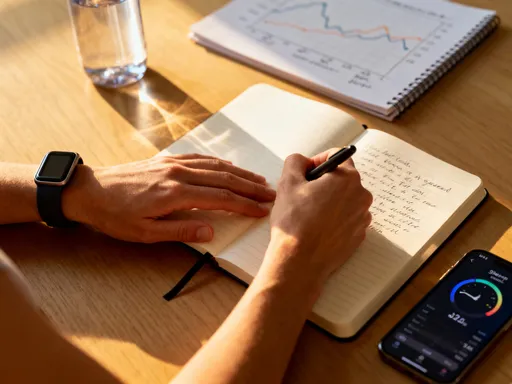
Personalization begins with self-observation. Tracking subtle shifts in energy, digestion, mood, and cycle regularity provides valuable clues about what your body truly needs. Pairing this with professional guidance—such as working with a registered dietitian or functional health practitioner—can help tailor strategies that align with your unique physiology. This shift from following trends to cultivating self-knowledge is the foundation of sustainable health. It moves us away from external rules and toward internal wisdom, where choices are informed by experience rather than marketing.
Overlooking the Menstrual Cycle in Health Planning
Despite being a defining feature of female biology, the menstrual cycle is rarely integrated into mainstream health or fitness programs. Most workout plans and nutrition guides assume a static body, ignoring the natural hormonal ebbs and flows that occur across four distinct phases: menstruation, follicular, ovulation, and luteal. Yet, these phases directly influence metabolism, energy levels, recovery capacity, and even cognitive performance. When women train and eat in alignment with their cycle, they often report better results, fewer injuries, and improved emotional balance. Ignoring this rhythm means missing a powerful opportunity to work with, rather than against, the body.
During the follicular phase, which begins after menstruation ends, estrogen rises gradually, boosting energy, mood, and endurance. This is often the best time for higher-intensity workouts, strength training, or trying new physical challenges. Ovulation, marked by a surge in luteinizing hormone and peak fertility, brings increased stamina and confidence—ideal for performance-focused activities. In contrast, the luteal phase, dominated by progesterone, can bring fatigue, bloating, and cravings. Pushing for personal records during this time may lead to burnout or injury. Instead, shifting toward lower-impact movement, mobility work, or restorative practices supports hormonal balance and mental well-being.
Nutrition also benefits from cycle awareness. In the first half of the cycle, when insulin sensitivity is higher, the body may handle carbohydrates more efficiently. Later in the cycle, especially during the luteal phase, increased cravings for sweets or salty foods are not a lack of willpower—they reflect real physiological changes. Supporting the body with complex carbs, magnesium-rich foods, and adequate protein can ease PMS symptoms and stabilize mood. By honoring these natural shifts, women can stop viewing their cycles as obstacles and begin seeing them as guides—offering daily feedback on how to move, eat, and rest in ways that optimize health across the month.
The Hidden Dangers of Over-Supplementation
In the quest for better health, many women turn to supplements as a safety net or shortcut. From multivitamins and probiotics to adaptogens and fat burners, the shelves are filled with promises of energy, balance, and youth. While certain supplements can play a supportive role, the assumption that “more is better” is not only misleading—it can be dangerous. The unregulated nature of the supplement industry means that dosages, purity, and interactions are not always transparent. Without proper guidance, women risk nutrient imbalances, organ strain, or unintended side effects that undermine their well-being.
One common issue is iron overload. While iron deficiency is prevalent among menstruating women, excessive supplementation—especially without medical testing—can lead to iron accumulation, which stresses the liver and increases oxidative damage. Similarly, high doses of fat-soluble vitamins like A, D, E, and K are stored in the body and can reach toxic levels over time. Vitamin D, often taken to support immunity or mood, is a prime example. While deficiency is common, megadosing without monitoring blood levels can cause nausea, kidney stones, or heart rhythm abnormalities. Even seemingly harmless supplements like herbal blends may interact with medications or affect hormone-sensitive conditions.
The foundation of health remains whole-food nutrition. Real food provides a complex matrix of nutrients, fiber, and phytochemicals that work synergistically—something isolated supplements cannot replicate. For most women, a balanced diet rich in vegetables, quality proteins, healthy fats, and whole grains meets nutritional needs without the need for extensive supplementation. When supplements are necessary—such as vitamin B12 for those with absorption issues or magnesium for sleep support—they should be used strategically and under professional supervision. The goal is not to eliminate supplements, but to treat them as targeted tools, not daily crutches. This mindful approach fosters a healthier relationship with health itself—one rooted in trust, not fear.
Chronic Stress and Its Impact on Female Hormones
Stress is more than just a mental burden—it is a biological signal that cascades through the body, influencing nearly every system. For women, chronic stress poses a unique threat to hormonal harmony. The hypothalamic-pituitary-adrenal (HPA) axis, responsible for regulating cortisol, becomes overactivated under prolonged pressure. This disrupts the delicate balance of sex hormones like estrogen, progesterone, and testosterone, often leading to irregular cycles, low libido, weight gain—particularly around the abdomen—and fatigue. What many dismiss as “just being tired” may actually be a sign of adrenal fatigue or hormonal dysregulation rooted in unmanaged stress.
The effects extend beyond reproduction. Elevated cortisol impairs insulin sensitivity, increasing the risk of blood sugar imbalances and metabolic syndrome. It also suppresses thyroid function, slowing metabolism and contributing to weight retention, hair loss, and cold intolerance. Emotionally, chronic stress depletes neurotransmitters like serotonin and dopamine, worsening anxiety and low mood. The irony is that many women respond to stress by adopting more extreme health measures—cutting calories, increasing workouts, or skipping sleep—only to deepen the imbalance. The body interprets these actions as additional stressors, reinforcing the cycle of hormonal disruption.
True health optimization requires stress management as a non-negotiable pillar. This doesn’t mean eliminating all pressure—life will always have demands—but learning to respond differently. Mindful movement, such as yoga, walking in nature, or gentle stretching, signals safety to the nervous system. Prioritizing sleep, setting boundaries, and practicing intentional rest are equally vital. Simple techniques like diaphragmatic breathing, gratitude journaling, or digital detoxes can lower cortisol and restore equilibrium. When stress is addressed at the root, many so-called “health problems” begin to resolve naturally. The body was designed to heal—when given the right conditions.
Ignoring Sleep as a Pillar of Health Optimization
In a culture that glorifies busyness, sleep is often the first sacrifice. Women, in particular, juggle multiple roles—caregiver, professional, partner, homemaker—and may view rest as indulgent or unproductive. Yet, sleep is not downtime; it is active recovery. During deep sleep, the body repairs tissues, balances hormones, consolidates memories, and clears metabolic waste from the brain. For women, quality sleep is especially critical for estrogen and progesterone regulation, immune function, and emotional resilience. Skimping on sleep doesn’t just lead to dark circles—it undermines every aspect of health.
Poor sleep directly affects appetite hormones. Leptin, which signals fullness, decreases with sleep deprivation, while ghrelin, which stimulates hunger, increases. This hormonal shift often leads to cravings for sugary, high-carb foods and unintentional weight gain. Insulin sensitivity also declines, raising the risk of prediabetes over time. Mentally, lack of sleep impairs focus, decision-making, and emotional regulation—making daily challenges feel overwhelming. For women in perimenopause or menopause, sleep disturbances are common due to hormonal shifts, but they are not inevitable. Addressing them early can prevent a cascade of downstream effects.
Improving sleep doesn’t require drastic changes. Small, consistent habits make the biggest difference. Going to bed and waking up at the same time every day—even on weekends—supports circadian rhythm. Creating a calming bedtime routine, such as reading, light stretching, or sipping herbal tea, signals the body that it’s time to wind down. Reducing screen exposure at least an hour before bed minimizes blue light interference with melatonin production. The sleep environment also matters: a cool, dark, quiet room promotes deeper rest. For women struggling with night sweats or insomnia, natural solutions like breathable bedding, magnesium supplementation (under guidance), or cognitive behavioral therapy for insomnia (CBT-I) can be effective. The goal is not perfection, but progress—prioritizing sleep as an essential act of self-care.
The Fitness Fallacy: Doing Too Much, Resting Too Little
There’s a pervasive belief that harder, longer, faster workouts yield better results. Fitness culture often equates intensity with dedication, especially for women seeking weight loss or muscle tone. But for many, this approach backfires. Women’s bodies are particularly sensitive to the balance between exertion and recovery. Overtraining—defined as excessive exercise without adequate rest—can trigger hormonal imbalances, weaken immunity, increase injury risk, and lead to burnout. The signs are subtle at first: persistent fatigue, trouble sleeping, mood swings, missed periods. Over time, these can escalate into more serious conditions like hypothalamic amenorrhea or adrenal dysfunction.
The problem lies in how chronic high-intensity exercise affects the HPA axis. When the body is pushed beyond its recovery capacity, cortisol remains elevated, mimicking a constant state of stress. This disrupts reproductive hormones and signals the body to conserve energy—leading to weight retention, especially around the midsection. Muscle growth is also impaired without sufficient recovery time. Meanwhile, joint wear, tendon strain, and decreased bone density become more likely, particularly in women with lower estrogen levels. Ironically, the very effort meant to improve health may be undermining it.
A more sustainable approach emphasizes balance. This includes a mix of strength training, cardiovascular exercise, flexibility work, and active recovery. Strength training builds lean muscle, supports metabolism, and enhances bone density—critical for long-term health. Low-impact cardio, such as brisk walking or cycling, improves heart health without excessive strain. Mobility and stretching enhance joint health and reduce injury risk. Most importantly, rest days are not a sign of laziness—they are when the body adapts, repairs, and grows stronger. Listening to your body’s signals—adjusting workouts based on energy levels, cycle phase, or stress—is a sign of wisdom, not weakness. Fitness, when done right, should leave you feeling energized, not exhausted.
Building Sustainable Health: A Mindset Shift
Lasting health is not achieved through extreme diets, punishing workouts, or endless supplement regimens. It is built through consistency, self-awareness, and compassion. The women who thrive long-term are not those who follow the latest trend perfectly, but those who learn to listen to their bodies and make informed, intentional choices. This requires a shift from viewing health as a destination to embracing it as a lifelong practice. It means celebrating small victories—choosing a nourishing meal, taking a walk, saying no to an extra commitment—as meaningful progress. It means understanding that setbacks are not failures, but feedback.
Empowerment comes from knowledge. Understanding how hormones, stress, sleep, and nutrition interact allows women to make decisions based on science, not sales pitches. It means seeking guidance from qualified professionals—doctors, dietitians, therapists—rather than relying solely on social media influencers or anecdotal advice. It means being patient. True optimization unfolds over months and years, not days or weeks. The body responds to steady, positive inputs—regular movement, balanced eating, emotional support, and rest.
Ultimately, health is not about achieving a certain look or number on the scale. It is about feeling strong, resilient, and in tune with yourself. It is about having the energy to enjoy life, the clarity to make decisions, and the vitality to show up fully for the people and passions that matter. When women prioritize their well-being not as an afterthought, but as a daily commitment, they create a foundation for decades of health. This is the kind of wellness worth pursuing—not because it’s perfect, but because it’s real.