Beyond the Click: How Online Health Tools Quietly Simplified My Daily Choices
Remember that overwhelmed feeling—standing in the kitchen, tired, wondering what to eat, or skipping a check-up because booking felt like a chore? I’ve been there. But slowly, almost without noticing, online health services began filling in the gaps. They didn’t shout about changing my life—they just made small decisions easier, lighter, and more doable. This isn’t about fancy tech or data overload. It’s about real relief in everyday moments. And if you’ve ever felt like you’re barely keeping up, this is for you. Because the truth is, we don’t need more pressure—we need smarter support. And that’s exactly what I found, one quiet click at a time.
The Quiet Weight of Daily Health Decisions
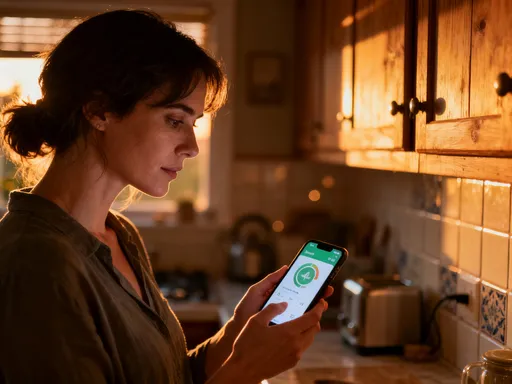
Let’s talk about something we rarely admit: how exhausting it is to make healthy choices every single day. It’s not just one big decision—it’s a thousand tiny ones that stack up until they feel like a mountain. What should I eat for breakfast? Did I drink enough water? Is this headache serious or just stress? Should I call the doctor? Each question takes energy, and when you’re already stretched thin—juggling work, family, meals, laundry, and everything else—those small choices can feel overwhelming. I remember standing in my kitchen one evening, staring into the fridge, too tired to cook, too hungry to wait. I wasn’t lazy. I wasn’t careless. I was just mentally drained. That’s when I realized: the real enemy wasn’t bad habits. It was decision fatigue.
And it wasn’t just food. It was appointments. I used to dread calling the doctor’s office. The hold music, the back-and-forth about availability, the need to take time off work—it all added up. I’d put it off, telling myself, “It’s probably nothing.” But deep down, I knew that wasn’t true. I was avoiding the friction, not the care. I wasn’t alone. So many women I know—friends, neighbors, sisters—have shared the same story. We care deeply about our health and our families’, but the system often makes it harder than it needs to be. We’re not failing. The process is. And that’s why I started looking for a better way—not a perfect one, just a simpler one.
What I discovered wasn’t a magic solution, but something just as powerful: tools that reduce the friction. Small digital helpers that don’t ask for more energy but give some back. They didn’t promise to fix everything, but they did something quieter and more meaningful—they made it easier to show up for myself, even on the days when I didn’t feel like it. And that, more than any dramatic change, is what made the difference.
Discovering Online Health Services—Not a Fix, But a Friend
I didn’t start using online health tools because I was searching for a revolution. I started because I was desperate for a five-minute window of peace. One afternoon, I had a strange rash and no time to see a doctor. My usual clinic required a 48-hour wait just to get an appointment. Then I remembered a virtual care option my insurance offered. I logged in, described my symptoms, and within 20 minutes, I was talking to a real doctor—on my phone, during my lunch break. No driving, no waiting room, no scrambling for childcare. It felt almost too simple. But it worked. I got a diagnosis, a prescription sent to my local pharmacy, and peace of mind—all before I finished eating my sandwich.
That small moment changed everything. It wasn’t that I stopped seeing doctors in person. I still do, when it’s needed. But now, I have a choice. Virtual visits became my go-to for minor issues—sinus infections, skin rashes, urinary discomfort—things that used to derail my week. I could talk to someone without upending my schedule. And the care was real. These weren’t chatbots giving generic advice. They were licensed professionals who listened, asked questions, and treated me like a person, not a case file. What surprised me most was how normal it felt. The screen didn’t make the care feel less personal. If anything, it made it more accessible.
Then there were the little extras—like digital prescriptions that went straight to my pharmacy, or secure messaging with my care team. I could ask a nurse a quick question at 8 p.m. without feeling guilty. No more wondering, “Is this worth calling about?” Now, I just send a message and get a reply the next morning. It’s not instant, but it’s reliable. And that reliability has given me something I didn’t know I was missing: consistency. I’m more likely to follow up, more likely to ask questions, more likely to actually take care of myself—because the barrier is so much lower.
Food Choices Made Easier—Without the Guilt
If I’m honest, food used to be my biggest source of stress. Not because I didn’t care, but because I cared too much. I wanted to eat well—for myself, for my family—but planning meals felt like another full-time job. I’d spend Sunday scrolling through recipes, writing lists, only to abandon them by Wednesday. Or I’d get home late, too tired to cook, and grab something quick that left me feeling sluggish the next day. The cycle left me frustrated and guilty. I wasn’t failing because I lacked willpower. I was failing because I lacked support.
Then I found a personalized nutrition app that didn’t treat me like a project to fix. Instead, it asked about my schedule, my preferences, my goals—and then suggested meals that actually fit my life. No extreme diets. No calorie shaming. Just simple, balanced ideas that worked. One week, it noticed I had back-to-back meetings on Tuesday and suggested a slow-cooker recipe I could start in the morning. Another time, it reminded me I had chicken and broccoli in my fridge and offered a 15-minute stir-fry idea. It felt like having a thoughtful friend in my pocket.
Even better, it synced with my grocery delivery service. I could add ingredients to my shopping list with one tap. No more last-minute store runs or forgotten items. And because it learned what I liked, the suggestions got smarter over time. I wasn’t tracking every bite or obsessing over macros. I was just making better choices with less effort. The real win? I stopped feeling guilty about not being perfect. The app didn’t judge. It just helped. And that small shift—away from pressure and toward support—changed how I felt about eating well. It wasn’t a chore anymore. It was a quiet act of care.
Mental Load Lifted—Tracking Without Obsessing
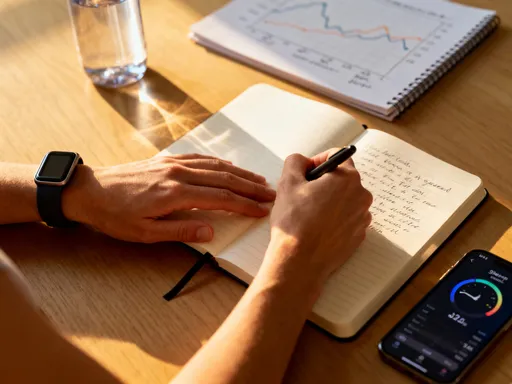
There was a time when I tracked everything. Steps. Water. Sleep. Mood. I had apps for all of it, and I thought I was being responsible. But the truth? I felt worse. I’d see that I only walked 6,000 steps and feel like I’d failed. I’d miss a glass of water and beat myself up. Tracking became another source of stress, not a tool for health. I was so focused on the numbers that I lost sight of how I actually felt. And that’s when I realized: I didn’t need more data. I needed wisdom.
That’s where gentle tracking tools came in. These aren’t the kind that nag you with alerts or shame you for skipping a workout. They’re designed to notice patterns, not punish you. One app I started using doesn’t even show daily step counts. Instead, it sends me a weekly summary: “You’ve been more active this week—great job!” Or “You’ve had more late nights—maybe try an earlier bedtime?” It’s not about perfection. It’s about awareness. And the tone? Kind. Supportive. Like a friend checking in.
Another tool I love is a mindfulness app that syncs with my calendar. When it sees I have a packed day, it sends a soft reminder: “You’ve got a lot on. Take three deep breaths when you can.” No pressure. No guilt. Just a nudge toward calm. I’ve also started using a sleep tracker that doesn’t just record my hours but looks at quality. It noticed that on nights I took a short walk after dinner, I fell asleep faster. That small insight changed my routine—now, a 10-minute stroll has become my evening ritual. Not because I’m chasing a number, but because I feel better. And that’s the real goal, isn’t it? Not to hit a target, but to live well.
Family Care Without the Chaos
Taking care of my aging parents used to feel like a part-time job with no instruction manual. Coordinating appointments, managing medications, keeping track of test results—it was a juggling act with no safety net. I’d spend hours on the phone, trying to get information, only to be told, “We can’t discuss that without consent.” Or I’d show up to a visit and realize I didn’t have the right forms. The stress wasn’t just logistical. It was emotional. I wanted to help, but I often felt helpless.
Then we set up a shared online portal with their healthcare providers. With their permission, I got secure access to their medical records, appointment schedules, and prescription refills. No more phone tag. No more guessing. I could see when a test was due, schedule a follow-up, or renew a medication with a few clicks. And because everything was in one place, I could spot patterns—like when one medication was causing dizziness—and bring it up at the next visit.
The change wasn’t just practical. It was emotional. I felt more in control. My parents felt more supported. And our conversations shifted from stress to care. Instead of saying, “Did you take your pills?” I could say, “I saw your blood pressure is stable—great news!” It wasn’t about taking over. It was about being part of the team. And knowing I could check in anytime—without bothering anyone—gave me peace of mind. I wasn’t alone in this. I had tools that helped me show up as the daughter I wanted to be, not just the one who was running on empty.
Small Tech, Big Emotional Relief
When I first started using online health tools, I thought the benefit would be convenience. And yes, saving time is wonderful. But what I didn’t expect was the emotional relief. The real gift wasn’t efficiency—it was peace of mind. Knowing I could reach someone if I needed to, even at night, made me feel safer. I didn’t have to sit with worry until morning. I could send a message, describe a symptom, and know I’d get a response. That small safety net changed how I relate to my health. I’m less anxious. More proactive. More confident.
One night, my daughter had a fever. I was alone, and she was restless. Instead of panicking, I used a virtual urgent care service. A pediatric nurse called me back within 30 minutes, asked the right questions, and reassured me it was likely a virus. She told me when to watch for red flags and when to bring her in. I didn’t have to drive anywhere. I didn’t have to wait. I just got the care we needed, right when we needed it. That moment didn’t just help my daughter. It helped me feel like a capable mom, even in the middle of the night.
And it’s not just urgent moments. Therapy, which I once thought was too hard to fit into my schedule, is now something I do from my living room. No commute. No parking. Just me, my counselor, and a quiet space. I don’t cancel as often. I’m more consistent. And that consistency has made all the difference in how I handle stress, parenting, and change. These tools didn’t fix my life. But they gave me space to care for it—emotionally, mentally, physically.
Building a Calmer, Smarter Routine—One Choice at a Time
Looking back, I can see how these small digital tools quietly reshaped my days. I didn’t wake up one morning and decide to overhaul my life. I just started making slightly easier choices—choosing a virtual visit over a long drive, letting an app suggest dinner, sending a quick message instead of waiting. Over time, those small choices added up. I didn’t become perfect. I became calmer. More present. Less burdened.
What I’ve learned is that good health isn’t about big, dramatic changes. It’s about reducing friction. It’s about making the right choice the easy choice. And when technology does that—when it supports without demanding, helps without judging, and fits into real life—it becomes something more than a tool. It becomes a quiet ally.
If you’re feeling overwhelmed, I want you to know this: you don’t have to do it all. You don’t have to be the strongest, the most organized, the most patient. You just need a little support. And that support exists. It’s in the apps that help you eat well without stress, the portals that keep your family’s care on track, the virtual visits that meet you where you are. These aren’t futuristic luxuries. They’re practical, accessible, and deeply human.
So if you’ve been putting off that check-up, stressing over meals, or feeling alone in caregiving—try something small. Explore one tool. Take one step. Because sometimes, the quietest changes are the ones that last the longest. And sometimes, all it takes is one click to feel a little more like yourself again.