How I Started Tracking My Sleep — And Finally Beat Insomnia Without Pills
For years, I tossed and turned every night, desperate for real rest. I tried everything—herbs, routines, even meditation apps—but nothing stuck. Then I discovered health tracking, not as a gimmick, but as a mirror to my habits. By simply monitoring my sleep patterns, I uncovered hidden triggers and made small, lasting changes. This isn’t about a miracle cure—it’s about awareness, consistency, and finally understanding what my body actually needed. What began as a quiet experiment transformed into a sustainable path to better sleep, one night at a time. And the most powerful tool wasn’t a prescription—it was the act of paying attention.
The Hidden Struggle: Living with Unexplained Insomnia
Sleep used to feel like a distant memory. For more than five years, I lay awake long after turning off the lights, watching the minutes tick by on the clock. Some nights, I drifted off quickly only to wake up after a few hours and remain alert until dawn. Others, I struggled to fall asleep at all, my mind replaying conversations from the day or racing ahead to tomorrow’s responsibilities. I wasn’t alone in this—according to the Centers for Disease Control and Prevention, more than one-third of American adults regularly fail to get enough sleep. Chronic sleep deficiency is not just an inconvenience; it’s a widespread public health concern linked to long-term risks like heart disease, weakened immunity, and cognitive decline.
The emotional toll was just as heavy as the physical one. I often woke up feeling as tired as when I went to bed. My concentration was poor, and simple tasks required more effort. I lost motivation to exercise, cook healthy meals, or even keep up with household chores. I found myself irritable with my family, snapping over small things I would normally brush off. There was a constant mental fog, like trying to see through a misty window. I began to dread bedtime, not because I didn’t want to rest, but because I feared another night of frustration and helplessness. The cycle of anxiety around sleep only made it harder to fall asleep, creating a feedback loop that felt impossible to break.
I tried many remedies. I drank chamomile tea, avoided screens an hour before bed, and followed strict sleep hygiene advice I found online. I downloaded apps that played soothing nature sounds and even invested in a weighted blanket. Some nights were better, but the improvements never lasted. I started to believe that insomnia was just part of who I was—a permanent condition I had to accept. Then, during a routine check-up, my doctor suggested something different: instead of guessing what was wrong, I should start tracking my sleep. Not to obsess over numbers, but to gather information. That small shift—from guessing to observing—changed everything.
Why Monitoring Matters: Seeing Beyond the Surface
At first, the idea of tracking my sleep seemed unnecessary. I already knew I wasn’t sleeping well—what more could data tell me? But I soon learned that how we *feel* about our sleep and what’s *actually* happening can be two very different things. Our memories are unreliable, especially when fatigue clouds our judgment. We might think we only slept four hours when we actually slept six, or believe we fell asleep quickly when it took much longer. This is where objective monitoring becomes valuable. It removes the guesswork and provides a clearer picture of sleep behaviors over time.
Health tracking, in this context, means consistently recording aspects of your sleep and daily routine to identify patterns. It’s not about chasing perfect scores or comparing yourself to others. Instead, it’s a personal feedback system—like keeping a journal of your body’s responses to different habits. The goal is not perfection, but insight. When you begin to see how late coffee, an intense workout, or a stressful work call affects your ability to fall asleep, you gain the power to make informed choices. Over time, this builds self-awareness, which is the foundation of lasting change.
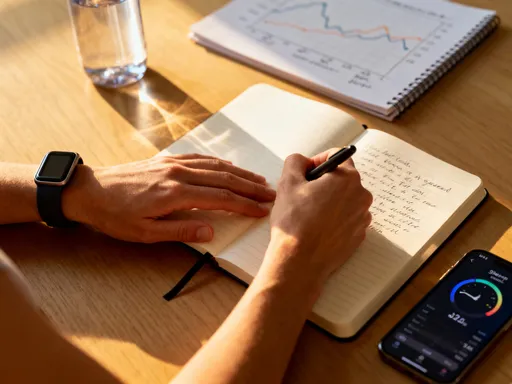
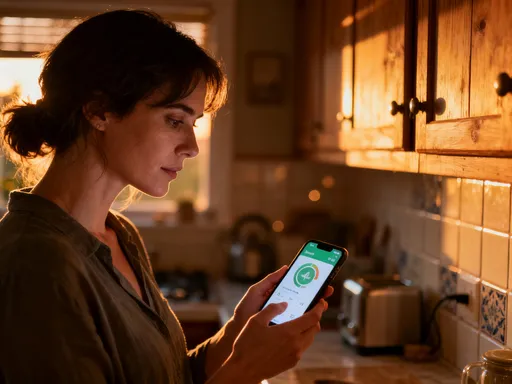
Fortunately, tracking doesn’t require expensive equipment or technical expertise. Simple tools are widely accessible. Wearable devices like wristbands can estimate sleep stages and duration based on movement and heart rate. Smartphone apps use sound and motion detection to log sleep cycles. Even a basic notebook can work—writing down bedtime, wake time, and how you felt in the morning. The key is consistency. Recording data nightly, even if it feels tedious at first, allows trends to emerge. For example, I discovered that my sleep quality dropped significantly after nights when I worked past 9 p.m., even if I went to bed at the same time. That wasn’t something I would have noticed without tracking.
What I Tracked: Simple Metrics That Made a Difference
I started with the basics: what time I went to bed, what time I woke up, and how long it took to fall asleep. These three metrics gave me a foundation. But I quickly realized that sleep doesn’t happen in isolation—it’s influenced by what happens during the day. So I expanded my tracking to include lifestyle factors that might be affecting my rest. I logged when I had my last caffeinated drink, how much time I spent on screens in the evening, whether I exercised and at what time, and even my stress level on a scale from one to ten.
Within two weeks, patterns began to emerge. I noticed that on days when I drank coffee after 2 p.m., I took nearly twice as long to fall asleep. I also saw a strong link between screen time and restlessness—nights when I scrolled through my phone in bed were consistently followed by more awakenings and less deep sleep. One of the most surprising findings was the impact of exercise timing. I loved evening workouts, believing they helped me unwind. But the data showed otherwise: on nights after intense exercise within three hours of bedtime, I spent more time in light sleep and woke up feeling less refreshed.
Tracking also helped me recognize emotional triggers. On days when I rated my stress level as high, I was more likely to wake up in the middle of the night and struggle to fall back asleep. This wasn’t a new insight—many people know stress affects sleep—but seeing it documented night after night made it real. It shifted my mindset from frustration to curiosity. Instead of blaming myself for “failing” to sleep, I began asking, “What happened today that might have affected my rest?” This subtle change in perspective reduced the shame and anxiety I used to feel, making it easier to address the root causes.
Breaking the Cycle: From Data to Action
Once I had a clearer picture of my habits, I could make targeted changes. I didn’t overhaul everything at once—trying to do too much too quickly would have been overwhelming. Instead, I picked one or two adjustments at a time and gave them at least two weeks to evaluate. The first change was setting a “digital sunset” at 8:30 p.m. I stopped using my phone and laptop after that time and switched to reading a physical book or listening to a podcast with my eyes closed. This wasn’t easy at first—my fingers kept reaching for my phone out of habit—but within ten days, I noticed I was falling asleep faster and feeling more relaxed at bedtime.
Next, I adjusted my caffeine cutoff to 12:30 p.m., even on weekends. This meant giving up my afternoon latte, which I initially resisted. But after tracking a few weeks without late caffeine, I saw a consistent improvement in sleep onset time. I also moved my workouts to the morning or early afternoon. While I missed the post-work energy release, I found that morning exercise actually boosted my mood throughout the day. I replaced evening intensity with gentle stretching or a short walk after dinner, which helped me wind down without raising my heart rate.
I also created a simple wind-down ritual: turning off overhead lights, lighting a candle, and doing five minutes of deep breathing. This signaled to my body that it was time to shift into rest mode. These changes weren’t drastic, but they were consistent. I didn’t expect overnight results, and I didn’t get them. It took about three weeks before my sleep efficiency—time spent asleep versus time in bed—improved noticeably. But once it did, the benefits started to compound. Better sleep led to more energy, which made it easier to stick with healthy habits during the day, which in turn supported better sleep at night.
The Science Behind the Shift: How Tracking Supports Better Sleep
What made these small changes so effective? The answer lies in the biology of sleep regulation. Our bodies run on a natural 24-hour rhythm called the circadian clock, which influences when we feel alert and when we feel sleepy. This rhythm is primarily controlled by light exposure, especially blue light from screens, which can delay the release of melatonin—the hormone that signals it’s time to sleep. By reducing evening screen time, I was aligning my habits with my body’s natural chemistry, making it easier to fall asleep when I wanted to.
Another key factor is sleep pressure, which builds the longer we’re awake. Adenosine, a chemical in the brain, accumulates throughout the day and creates the drive to sleep. Caffeine works by blocking adenosine receptors, which is why it keeps us alert. But if consumed too late, it can interfere with the natural rise of sleep pressure, making it harder to fall asleep even when we’re tired. By cutting off caffeine earlier, I allowed adenosine to do its job unimpeded. Similarly, intense exercise raises core body temperature and stimulates the nervous system, which can delay sleep onset. Cooling down takes time—usually several hours—so moving workouts earlier gave my body the chance to return to a restful state before bedtime.
Behavioral feedback loops also played a crucial role. When we track our actions and see the results, we become more accountable. This is a core principle behind cognitive behavioral therapy for insomnia (CBT-I), a non-drug treatment recommended by sleep specialists. CBT-I helps people identify and change thoughts and behaviors that contribute to poor sleep. While I wasn’t following a formal CBT-I program, tracking served a similar purpose: it increased my awareness, reduced unhelpful routines, and reinforced positive ones. Over time, good sleep habits became automatic, not because I was forcing myself, but because I could see they worked.
Common Pitfalls and How I Avoided Them
Tracking isn’t without its challenges. In the beginning, I made the mistake of checking my sleep data first thing in the morning—sometimes even during the night if I woke up. If the numbers looked bad, I’d feel discouraged or anxious, which ironically made it harder to sleep the next night. I also fell into the trap of over-tracking, trying to monitor too many variables at once. I started logging food, water intake, and even room temperature, which turned the process into a chore rather than a helpful tool.
I realized I needed to shift my mindset. Data is meant to inform, not judge. A single night of poor sleep doesn’t erase progress. What matters are long-term trends. I began reviewing my logs once a week instead of daily, which gave me a broader perspective. I also learned to pair tracking with relaxation, not stress. On nights when I didn’t sleep well, I focused on what I could control the next day—like taking a walk outside for morning light or avoiding afternoon coffee—rather than ruminating on the previous night.
Another helpful strategy was combining tracking with mindfulness. Instead of obsessing over sleep scores, I practiced gratitude for the rest I did get and focused on how I felt during the day. This reduced performance pressure and made the process more compassionate. I also reminded myself that sleep is influenced by many factors—some within my control, others not. Illness, travel, or unexpected stress can disrupt even the best routines. The goal wasn’t perfection, but resilience: building habits that support good sleep most of the time, while staying flexible when life gets in the way.
Building a Sustainable Sleep Lifestyle: Beyond the Tracker
After six months of consistent tracking, something unexpected happened: I no longer needed the device as much. I had internalized the patterns. I could sense when a late coffee would affect me or when I needed to wind down earlier after a stressful day. The tracker had taught me to listen to my body. I still use it occasionally—especially when my schedule changes or I notice a dip in energy—but it’s no longer the center of my routine.
The long-term benefits have been profound. I wake up more easily, feel more alert during the day, and handle stress with greater calm. My focus has improved, and I have more patience with my family. Even on the rare nights when I don’t sleep well, I don’t panic. I know it’s temporary and that my habits will help me recover. Sleep has become less of a battle and more of a practice—a daily act of care.
This journey taught me that better sleep isn’t about finding a single solution or relying on pills. It’s about paying attention, making small adjustments, and staying consistent. It’s about treating sleep as an essential part of health, not an afterthought. For anyone struggling with insomnia, I encourage you to consider tracking—not as a fix, but as a way to understand yourself. It won’t work overnight, and it may not be perfect, but with patience and observation, change is possible. And if sleep problems persist despite your efforts, it’s important to consult a healthcare provider. Tracking is a powerful tool, but it complements professional care—it doesn’t replace it. True rest begins not with a pill, but with awareness.