How I Transformed My Hair Health Naturally—And You Can Too
Hair problems like breakage, dryness, and slow growth affect millions. I struggled for years until I shifted focus from quick fixes to long-term health optimization. What changed? A science-backed routine rooted in nutrition, scalp care, and mindful habits. This isn’t about miracles—it’s about consistency. Discover the real reasons behind healthy hair and practical steps anyone can take.
The Hidden Truth Behind Hair Health
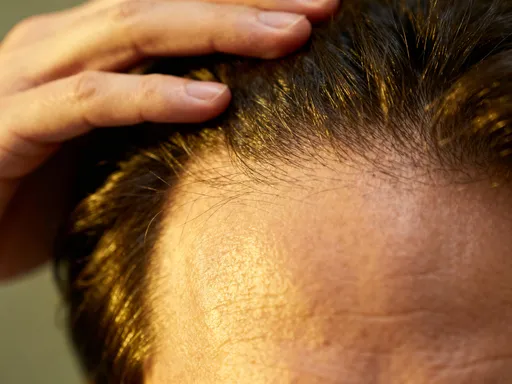
Hair is more than a style statement—it’s a visible indicator of internal well-being. Many people treat hair concerns as purely cosmetic, reaching for serums and shampoos at the first sign of split ends. But science shows that hair reflects what’s happening beneath the surface. Each strand grows from a follicle fed by blood vessels, influenced by hormones, nutrients, and metabolic health. When the body is under stress or lacking essential nutrients, hair often shows the first signs. Thinning, brittleness, or excessive shedding can signal imbalances in thyroid function, iron deficiency, or chronic inflammation.
Stress, in particular, plays a powerful role. Elevated cortisol levels—common during periods of emotional or physical strain—can disrupt the hair growth cycle, pushing more follicles into the resting phase. This condition, known as telogen effluvium, often results in noticeable shedding months after a stressful event. Similarly, hormonal fluctuations related to pregnancy, menopause, or polycystic ovary syndrome (PCOS) can alter hair texture and density. These internal factors explain why topical treatments alone rarely lead to lasting change. Without addressing root causes, efforts to improve hair health may provide only temporary relief.
True improvement begins with the concept of health optimization—supporting the body’s natural processes so hair can thrive from within. This means prioritizing balanced nutrition, managing stress, and supporting metabolic function. It’s not about perfection, but consistency. When internal systems operate efficiently, hair naturally becomes stronger, shinier, and more resilient. Recognizing this connection was the turning point in my own journey. Instead of chasing the next miracle product, I began asking: What is my body trying to tell me?
Why Traditional Haircare Falls Short
Most commercial haircare products are designed to deliver immediate aesthetic results—smoother texture, added shine, or the illusion of volume. While these benefits can boost confidence in the short term, they often mask deeper issues without resolving them. Many shampoos, conditioners, and styling products contain sulfates, silicones, and synthetic fragrances that coat the hair shaft, creating a temporary seal. Over time, this buildup can weigh hair down, clog follicles, and prevent moisture from penetrating the scalp. Worse, frequent use of harsh ingredients can strip natural oils, leading to dryness and increased breakage.
Heat styling tools—flat irons, curling wands, and blow dryers—add another layer of damage. Excessive heat alters the protein structure of hair, weakening the cuticle and making strands more prone to splitting. Studies show that repeated exposure to temperatures above 300°F (149°C) can cause irreversible damage, even with heat-protectant products. Similarly, chemical treatments like bleaching, perming, or relaxers break disulfide bonds in keratin, the primary protein in hair. While these services offer dramatic transformations, they compromise long-term strength and elasticity.
The problem isn’t just what these products do to hair—it’s what they don’t do. They rarely support follicle health, improve circulation, or enhance nutrient delivery. Instead, they focus on appearance rather than function. This is why many women find themselves in a cycle of damage and repair, investing in costly treatments that offer fleeting results. A more effective approach shifts the focus from external correction to internal support. By reducing reliance on aggressive products and embracing gentler, more sustainable practices, it’s possible to create conditions where hair can regenerate and grow stronger over time.
Fueling Hair from Within: The Nutrition Connection
If hair is made of protein, then protein should be the foundation of any hair-healthy diet. Keratin, the structural protein that forms hair, is built from amino acids derived from dietary protein. Without adequate intake, the body may prioritize other functions over hair growth, leading to slower regeneration and weaker strands. Good sources include lean meats, poultry, fish, eggs, legumes, and dairy. For those following plant-based diets, combining complementary proteins—such as beans and rice—ensures a complete amino acid profile essential for keratin synthesis.
Several micronutrients also play critical roles. Biotin, a B-vitamin, supports enzyme activity involved in keratin production. While biotin deficiency is rare, studies suggest supplementation may benefit those with low levels, particularly in cases of brittle nails and hair. However, it’s best obtained through whole foods like eggs, nuts, seeds, and sweet potatoes. Iron is equally important—especially for women, who are at higher risk of deficiency due to menstruation. Low iron stores, even without full anemia, can impair oxygen delivery to follicles, slowing growth. Iron-rich foods include spinach, lentils, red meat, and fortified cereals, and absorption is enhanced when paired with vitamin C-rich foods like bell peppers or citrus.
Omega-3 fatty acids, found in fatty fish, flaxseeds, and walnuts, help nourish the scalp and reduce inflammation. These fats support cell membrane integrity, improving moisture retention and reducing dryness. Vitamins A, C, D, and E each contribute in different ways: vitamin A regulates sebum production, but excess can lead to shedding, so balance is key; vitamin C is essential for collagen formation and iron absorption; vitamin D receptors are present in hair follicles, and low levels have been linked to alopecia; vitamin E acts as an antioxidant, protecting hair from oxidative stress. A varied, whole-foods-based diet naturally provides these nutrients without the risks of over-supplementation.
Simple dietary adjustments can make a meaningful difference. Adding a handful of spinach to a morning smoothie, swapping processed snacks for almonds and berries, or including fatty fish twice a week are small changes with cumulative benefits. Hydration also matters—water supports nutrient transport and helps maintain scalp moisture. Rather than relying on supplements alone, the goal is to build a sustainable eating pattern that supports overall health, with vibrant hair as one of many positive outcomes.
Scalp Health: The Foundation of Strong Hair
The scalp is not just a base for hair—it’s a dynamic, living environment where growth begins. Like soil for a garden, its condition determines how well hair can take root and flourish. A healthy scalp maintains proper pH balance, supports circulation, and sheds dead skin cells without clogging follicles. When this ecosystem is disrupted—by excess oil, product buildup, or inflammation—hair growth can slow or stop altogether. Dandruff, itching, or flaking are common signs of imbalance, often caused by an overgrowth of yeast, dryness, or sensitivity to ingredients in hair products.
Gentle cleansing is essential. Washing too frequently or with harsh detergents can strip natural oils, triggering the scalp to overproduce sebum in compensation. On the other hand, infrequent washing allows oil and debris to accumulate, potentially blocking follicles. Finding a balance—typically every two to three days, depending on hair type—is key. Sulfate-free shampoos with soothing ingredients like aloe vera or chamomile can cleanse effectively without irritation. For deeper cleaning, weekly exfoliation with a soft brush or a mild scrub helps remove dead skin and buildup without damaging delicate tissue.
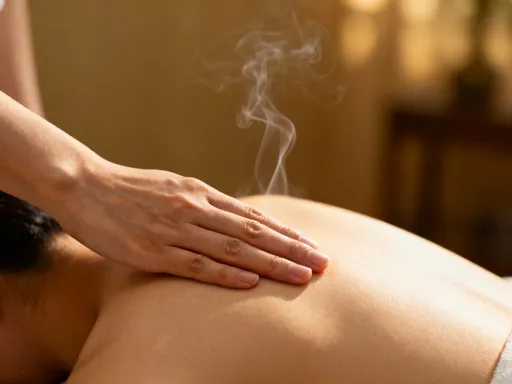
Scalp massages offer another powerful tool. Just a few minutes daily can improve blood flow, delivering more oxygen and nutrients to follicles. Studies suggest that regular massage may increase hair thickness over time by stimulating dermal papilla cells responsible for growth. Using natural oils like coconut, jojoba, or argan can enhance the experience while providing moisturizing and antimicrobial benefits. Coconut oil, in particular, has been shown to reduce protein loss in both damaged and undamaged hair when used as a pre-wash treatment. These oils should be applied in moderation—too much can lead to greasiness or clogged pores.
Avoiding overuse of styling products is equally important. Hair gels, sprays, and mousses often contain alcohol and polymers that build up over time, suffocating follicles. Rinsing hair thoroughly after styling and using clarifying shampoos occasionally can prevent this. Additionally, allowing the scalp to breathe by wearing loose hairstyles and avoiding tight headbands or hats contributes to a healthier environment. When the scalp is clean, nourished, and well-circulated, it creates the ideal foundation for strong, resilient hair growth.
Lifestyle Habits That Make or Break Hair Growth
Daily routines beyond the bathroom mirror have a profound impact on hair health. Sleep, for example, is a time of repair and regeneration. During deep sleep, the body releases growth hormone and repairs tissues, including hair follicles. Chronic sleep deprivation disrupts this process, increasing stress hormones and inflammation—both of which can impair the hair cycle. Aiming for seven to nine hours of quality sleep per night supports hormonal balance and cellular renewal, creating conditions favorable for growth.
Stress management is equally critical. Long-term stress elevates cortisol, which can shrink hair follicles and shorten the growth phase. Mind-body practices like meditation, deep breathing, or gentle yoga help regulate the nervous system and reduce cortisol levels. Even simple habits—such as taking a daily walk, journaling, or spending time in nature—can lower stress and improve overall well-being. Exercise also plays a role by boosting circulation and reducing insulin resistance, both of which support healthy hair. Physical activity increases blood flow to the scalp, delivering nutrients and removing waste products more efficiently.
Other small but impactful habits include using a silk or satin pillowcase, which reduces friction and prevents breakage during sleep. Unlike cotton, these fabrics allow hair to glide smoothly, minimizing tangles and split ends. Wearing loose hairstyles—avoiding tight ponytails, braids, or buns—prevents traction alopecia, a form of hair loss caused by constant pulling. Heat styling should be minimized, and when used, tools should be set to lower temperatures with a heat protectant applied first. Air drying when possible helps preserve the hair’s natural structure.
Hydration and environmental protection are often overlooked. Drinking enough water supports every bodily function, including nutrient delivery to follicles. Dehydration can lead to dry, brittle hair. Additionally, exposure to UV radiation and air pollution can damage the hair shaft and scalp. Wearing a hat or using leave-in conditioners with UV filters provides protection during extended sun exposure. These lifestyle choices, while not dramatic, collectively create a supportive environment for hair to grow stronger and healthier over time.
Proven Methods That Actually Work
While there is no magic cure for hair loss or damage, several evidence-based practices consistently deliver results. Regular trims, for instance, do not make hair grow faster—but they prevent split ends from traveling up the shaft, maintaining length and strength. Trimming every 8 to 12 weeks keeps hair looking healthy and reduces breakage. Cold rinses at the end of a shower may seem minor, but they help seal the hair cuticle, locking in moisture and enhancing shine. The cool water flattens the outer layer of the hair, making it smoother and more reflective.
Gentle detangling is another simple yet effective habit. Using a wide-tooth comb, starting from the ends and working upward, minimizes stress on fragile strands. Brushing wet hair with a stiff brush can cause unnecessary breakage, especially in curly or textured hair. Detangling before washing, when hair is dry and more elastic, reduces damage. Using a conditioner or leave-in detangler further reduces friction and protects the cuticle.
Consistency in routine is perhaps the most powerful factor. Hair grows at an average rate of about half an inch per month, and changes take time to become visible. A single week of healthy eating or scalp massage won’t transform hair—but three to six months of consistent effort often does. Patience is essential. Many people abandon routines too soon, expecting immediate results. Real improvement is gradual: increased shine, reduced shedding, better texture. Tracking progress with photos or journal entries can help maintain motivation.
It’s also important to set realistic expectations. Genetics, age, and medical conditions influence hair growth, and no routine can override these completely. However, optimizing health can help individuals reach their full genetic potential. This isn’t about achieving perfection, but about supporting the body’s natural ability to grow strong, healthy hair. Over time, these small, sustainable practices compound into lasting change.
Putting It All Together: A Sustainable Hair-Health Plan
Transforming hair health is not about adopting a single miracle product or extreme diet—it’s about creating a balanced, integrated approach. A sustainable plan combines nutrition, scalp care, and lifestyle habits into a cohesive routine that supports long-term results. Start by evaluating current practices: Are you consuming enough protein and key nutrients? Is your scalp clean and well-circulated? Are stress and sleep being managed effectively? Small, incremental changes are more likely to stick than drastic overhauls.
For example, begin with one dietary improvement—adding a serving of leafy greens or fatty fish each week. Pair this with a scalp massage for five minutes before showering. Replace one harsh styling product with a gentler alternative. Over time, layer in additional habits: better sleep hygiene, regular trims, or daily walks to reduce stress. Personalization is key—what works for one person may not suit another. Those with curly hair may need more moisture, while fine hair may benefit from lighter oils. Understanding your hair type and body’s needs leads to more effective choices.
It’s also important to recognize when professional guidance is needed. Persistent hair loss, sudden thinning, or scalp conditions like severe psoriasis or fungal infections should be evaluated by a healthcare provider. Blood tests can identify deficiencies in iron, vitamin D, or thyroid hormones—issues that require medical intervention. While natural methods support health, they are not a substitute for diagnosis and treatment when underlying conditions exist. This journey complements, rather than replaces, medical care.
Ultimately, healthy hair is a reflection of a well-cared-for body. It grows from the same systems that sustain energy, immunity, and vitality. By focusing on whole-body health, women can achieve not only stronger hair but also improved well-being. The process is personal, gradual, and deeply rewarding. It’s not about chasing trends, but about honoring the body’s natural rhythms. Start small, stay consistent, and let your hair become a visible sign of the care you give yourself every day.