How Massage Therapy Quietly Shields Your Body Before Illness Strikes
You probably think of massage as a treat for sore muscles, not a shield against disease. But after years of regular sessions, I’ve noticed fewer colds, less fatigue, and a calmer mind. It’s not magic—science shows massage boosts immunity, lowers stress hormones, and improves circulation. This isn’t about curing illness, but about building resilience. Let’s explore how this simple practice can be a powerful part of staying well—long before problems start.
The Hidden Link Between Touch and Immunity
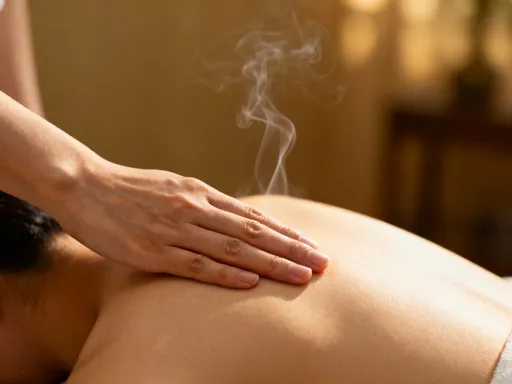
Massage therapy is often associated with relaxation and muscle relief, but its impact reaches far deeper than the surface. Beneath the skin, a complex biological response unfolds during each session, one that directly supports the body’s natural defenses. When pressure is applied through skilled hands, the nervous system begins to shift from a state of alertness to one of restoration. Cortisol, the primary stress hormone linked to weakened immunity, steadily declines. At the same time, research has shown measurable increases in lymphocyte activity—white blood cells essential for fighting off infections. These immune cells circulate more efficiently when the lymphatic system is stimulated through manual manipulation, helping the body detect and respond to threats faster.
Chronic stress is one of the most insidious contributors to long-term health decline. Unlike acute stress, which can be beneficial in small doses, prolonged activation of the stress response suppresses immune function, increases inflammation, and disrupts hormonal balance. Massage offers a physiological reset, signaling the body that it is safe to repair and regenerate. This is not merely psychological relief—it’s a measurable shift in biochemistry. Studies conducted by the Touch Research Institute have demonstrated that individuals receiving regular massage therapy show significantly lower cortisol levels and higher counts of natural killer cells, which play a critical role in defending against viruses and tumor cells.
What makes massage unique in preventive health is its ability to support long-term wellness rather than just offering temporary relief. While a single session can provide immediate calming effects, consistent bodywork creates cumulative benefits. Over weeks and months, the body adapts to a new baseline—one with reduced inflammation, improved immune surveillance, and enhanced cellular repair. This kind of sustained support mirrors other foundational health habits like balanced nutrition and regular physical activity. By integrating massage into a routine, individuals are not simply addressing discomfort—they are investing in a stronger, more responsive immune system capable of fending off illness before it takes hold.
Stress: The Silent Trigger Behind Modern Illness
In today’s fast-paced world, stress has become a nearly universal experience, yet its consequences on health are often underestimated. Persistent mental and emotional strain doesn’t just affect mood—it initiates a cascade of physical changes that compromise the body’s ability to maintain balance. The hypothalamic-pituitary-adrenal (HPA) axis, responsible for regulating stress responses, becomes overactive when constantly triggered. This leads to elevated cortisol and adrenaline levels, which, over time, impair immune function, increase blood pressure, and contribute to systemic inflammation. These internal shifts lay the groundwork for a wide range of chronic conditions, including cardiovascular disease, digestive disorders, and autoimmune imbalances.
One of the most direct ways stress undermines health is through its effect on inflammation. While acute inflammation is a necessary part of healing, chronic low-grade inflammation is now recognized as a root factor in many modern diseases. Elevated cortisol disrupts the body’s ability to regulate inflammatory markers, allowing them to persist at harmful levels. This environment makes it easier for illnesses to develop and harder for the body to recover. Frequent headaches, digestive discomfort, joint pain, and recurrent infections are all potential signs that the body is operating under sustained stress. These symptoms are not isolated issues—they are signals of an overburdened system struggling to maintain equilibrium.
Massage therapy plays a crucial role in interrupting this harmful cycle by activating the parasympathetic nervous system—the branch of the nervous system responsible for rest, digestion, and repair. During a session, rhythmic pressure and soothing touch signal safety to the brain, prompting a decrease in stress hormones and a shift toward relaxation. Heart rate slows, breathing deepens, and muscles release tension. This physiological shift is not just pleasant—it is restorative. By regularly engaging the parasympathetic response, massage helps recalibrate the body’s stress response, making it less reactive to daily challenges. Over time, this leads to improved resilience, better sleep, and a stronger capacity to resist illness before it manifests.
Beyond Relaxation: The Science of Circulation and Healing
While the calming effects of massage are well known, its impact on circulation is equally significant and often underappreciated. Improved blood flow is a cornerstone of optimal health, as it ensures that oxygen and vital nutrients are efficiently delivered to tissues throughout the body. At the same time, enhanced circulation supports the removal of metabolic waste products and toxins that accumulate in muscles and organs. This dual action—delivering what the body needs and removing what it doesn’t—creates an internal environment conducive to healing and long-term vitality. Whether it’s supporting muscle recovery, maintaining organ function, or promoting skin health, circulation is a silent but powerful driver of wellness.
When blood flow is optimized, every system benefits. Organs receive more oxygen and nutrients, enabling them to perform their functions more efficiently. Muscles recover faster from daily wear and tear, reducing the risk of strain and injury. Even the brain, which relies heavily on a steady supply of oxygenated blood, functions more clearly and stably. Massage techniques such as effleurage and petrissage are specifically designed to stimulate vascular flow, encouraging the dilation of blood vessels and the movement of fluids through both the circulatory and lymphatic systems. This is particularly beneficial for individuals with sedentary lifestyles, where poor circulation can contribute to fatigue, swelling, and a sluggish metabolism.
The implications of improved circulation extend far beyond physical comfort. Cardiovascular health, for instance, is closely tied to the flexibility and cleanliness of blood vessels. Regular massage may help reduce peripheral resistance and support healthy blood pressure levels by promoting vasodilation and reducing vascular tension. Additionally, better circulation aids in the prevention of deep vein issues associated with prolonged sitting, a growing concern in modern office environments. By encouraging movement within the vascular system, massage acts as a gentle but effective form of internal maintenance. It doesn’t replace exercise, but it complements it—offering a passive way to support the body’s natural rhythms and reduce the strain caused by inactivity.
Choosing the Right Type of Massage for Preventive Care
Not all massages are created equal, and selecting the appropriate technique is key to maximizing long-term health benefits. For individuals seeking gentle, whole-body relaxation and improved circulation, Swedish massage remains a popular and effective choice. Its flowing strokes and light to moderate pressure promote parasympathetic activation, making it ideal for stress reduction and general wellness maintenance. On the other hand, deep tissue massage targets deeper layers of muscle and connective tissue, making it more suitable for those with chronic tension, postural imbalances, or repetitive strain from physical work or exercise. While it may feel more intense, its ability to release long-held knots and adhesions can prevent future injuries and improve mobility.
Myofascial release is another valuable modality, particularly for individuals experiencing stiffness or restricted movement. Fascia, the web-like connective tissue surrounding muscles and organs, can become tight due to injury, inactivity, or stress. When fascial restrictions occur, they can pull on the body’s structure, leading to pain and reduced function. Myofascial techniques use sustained pressure to gently stretch and loosen these restrictions, restoring balance and ease of movement. Athletes and active individuals may benefit from sports massage, which combines elements of deep tissue, stretching, and targeted compression to enhance performance, speed up recovery, and prevent overuse injuries. This type of massage is not just for professionals—it can be a smart addition to any fitness-oriented routine.
Matching the right technique to lifestyle needs ensures that massage becomes a sustainable part of preventive care. Desk workers, for example, often experience tension in the neck, shoulders, and lower back due to prolonged sitting and poor ergonomics. A combination of Swedish and myofascial work can alleviate this strain and improve posture over time. Active individuals may require more frequent deep tissue or sports sessions to manage muscle fatigue and maintain flexibility. As for frequency, consistency matters more than intensity. Weekly sessions offer the most noticeable benefits, but biweekly or monthly appointments can still support long-term wellness when combined with other healthy habits. The goal is not perfection, but regularity—creating a rhythm that allows the body to maintain its balance.
Integrating Massage Into a Proactive Health Routine
For many, massage is seen as a luxury reserved for times of pain or burnout. However, shifting the perspective from reactive to proactive transforms its role in health. Just as regular exercise strengthens the body and balanced nutrition fuels it, consistent massage supports the body’s ongoing maintenance and repair. Viewing it as preventive care—similar to dental cleanings or annual check-ups—helps normalize its place in a holistic wellness plan. When approached this way, massage is no longer an indulgence, but a deliberate investment in resilience, energy, and long-term vitality.
The greatest benefits emerge when massage is combined with other foundational habits. Quality sleep, adequate hydration, and regular movement all amplify the effects of bodywork. For instance, drinking water after a session helps flush out metabolic byproducts released during muscle manipulation. Gentle stretching can extend the sense of openness and ease achieved during the massage. Meanwhile, sufficient rest allows the body to fully engage in healing processes initiated during the session. These small synergies create a compounding effect, where each healthy choice reinforces the others, leading to a more robust and responsive system over time.
There are subtle signs that may indicate a greater need for regular massage. Persistent muscle tightness, difficulty unwinding after work, frequent tension headaches, or trouble falling asleep can all suggest that the body is holding onto stress. Decreased range of motion, lingering soreness after light activity, or a general sense of fatigue despite adequate rest are also cues worth paying attention to. These signals don’t necessarily point to serious illness, but they do reflect an imbalance that, if left unaddressed, could evolve into more significant issues. By responding early—with regular bodywork and self-awareness—individuals can stay ahead of decline and maintain a higher baseline of well-being.
What to Expect and How to Maximize Results
Entering a massage session with clear expectations enhances both comfort and effectiveness. Before the session begins, a qualified therapist will typically discuss medical history, areas of concern, and desired outcomes. Open communication is essential—whether it’s about pressure preferences, specific discomfort, or overall goals. This dialogue ensures that the treatment is tailored to individual needs and contributes to a safer, more beneficial experience. During the session, most people experience a gradual release of tension, warmth in the muscles, and a deep sense of calm. Some may notice emotional shifts, such as a lifting of mental fog or a sudden sense of clarity, as the nervous system recalibrates.
Post-massage care plays a vital role in sustaining the benefits. Hydration is particularly important, as it supports the kidneys in filtering out metabolic waste released from muscles. Light movement, such as walking or gentle stretching, can prevent stiffness and help integrate the physical changes. It’s also wise to avoid strenuous activity immediately after a deep session, allowing the body time to recover. Some individuals may feel slightly sore the next day, especially after deeper work—this is normal and typically resolves within 24 to 48 hours. Listening to the body’s signals during this time is key to maximizing results without overexertion.
Tracking subtle changes over time can deepen the understanding of massage’s impact. Keeping a simple journal to note energy levels, sleep quality, mood, and physical comfort can reveal patterns that aren’t immediately obvious. For example, someone might realize they sleep more soundly after weekly sessions or that their afternoon fatigue has diminished. These observations reinforce the value of consistency and provide motivation to continue. Over months, the cumulative effect becomes clearer: fewer sick days, improved posture, greater ease in movement, and a more balanced emotional state. These are not dramatic transformations, but quiet, meaningful shifts that reflect a body functioning at a higher level of health.
When to Consult a Professional: Boundaries and Safety
While massage therapy offers numerous benefits, it is important to recognize its role as a complementary practice rather than a substitute for medical care. There are specific conditions where professional medical advice should be sought before beginning massage. For example, individuals with blood clotting disorders, recent surgeries, fractures, or active infections should consult their healthcare provider to ensure safety. Certain types of cancer, especially those involving bone metastasis, require special precautions, and some autoimmune conditions may be sensitive to deep pressure techniques. A responsible therapist will always conduct a thorough intake and adjust the session accordingly, but informed consent begins with the client.
Contraindications vary depending on the condition and the type of massage. In cases of acute inflammation, fever, or severe varicose veins, certain techniques may need to be modified or avoided altogether. Open wounds, rashes, or skin infections are also reasons to postpone a session until fully healed. Pregnant individuals can often benefit from prenatal massage, but it should be performed by a therapist trained in this specialty to ensure both safety and comfort. The key is transparency—sharing health history openly allows the therapist to create a safe and effective experience tailored to individual needs.
Massage therapy supports wellness, but it does not diagnose, treat, or cure disease. It works best when integrated into a broader health strategy that includes regular medical check-ups, proper nutrition, and appropriate physical activity. When used wisely, it enhances the body’s natural ability to heal and protect itself. By respecting its boundaries and understanding its limitations, individuals can make informed choices that align with their overall health goals. This balanced approach ensures that massage remains a safe, effective, and empowering part of a proactive lifestyle.
Massage therapy isn’t just about recovery—it’s a quiet, consistent way to strengthen your body’s defenses. By reducing stress, improving circulation, and promoting balance, it helps create an internal environment where illness finds it harder to take root. Think of it as preventive maintenance: not a cure, but a commitment to resilience. When combined with other healthy habits, regular massage becomes more than self-care—it becomes a smart, science-backed choice for long-term well-being.