Hair Was Slipping Away — Here’s What Actually Helped Me Fight Back
Losing hair isn’t just about looks — it’s personal. I used to find clumps in the shower, on my pillow, and that quiet panic started creeping in. I wasn’t sick, but something was off. After digging into causes, testing small daily changes, and seeing real results, I realized prevention isn’t magic — it’s method. This is about protecting your health from the root, literally, with science-backed, doable steps anyone can start today.
The Moment It Hit: Recognizing Hair Loss as a Health Signal
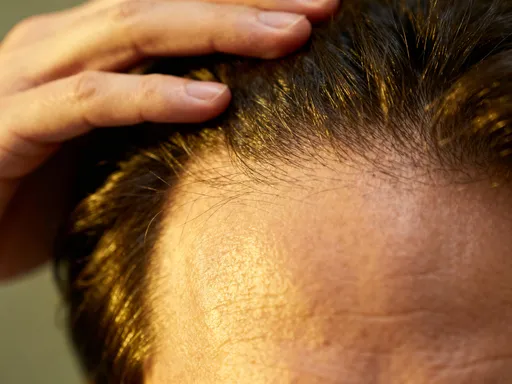
It began subtly — a few extra strands on the brush, a slightly wider part in the mirror. At first, it felt normal. Everyone sheds hair, after all. But then the changes became harder to ignore. More hair on the bathroom floor, thinner ponytails, and the growing visibility of the scalp in certain lights made it clear: this was more than seasonal shedding. For many women, especially between the ages of 30 and 55, hair thinning creeps in during times of transition — post-pregnancy, perimenopause, or periods of prolonged stress. What many mistake for aging or bad genetics may actually be a signal from the body that something is out of balance.
Hair is often described as a barometer of internal health. Unlike acute illness, which announces itself with fever or pain, hair loss speaks in whispers. It doesn’t demand attention immediately, but over time, those whispers grow louder. The average person loses between 50 and 100 hairs a day, which is considered normal. But when loss consistently exceeds that range — when you notice clumps in the drain or a sudden decrease in volume — it’s time to listen. The key is early recognition. Waiting too long can make recovery more difficult, as follicles may enter prolonged dormant phases or shrink in size due to prolonged stress or nutritional deficits.
What makes hair loss particularly unsettling for many women is its emotional weight. Hair is tied to identity, confidence, and self-image. Yet reframing it as a health indicator, not just a cosmetic issue, shifts the focus from shame to empowerment. Instead of hiding it under hats or filters, the more productive response is curiosity: Why is this happening? What is my body trying to tell me? When approached this way, hair thinning becomes less of a personal failure and more of a prompt for deeper self-care. It invites a closer look at diet, sleep, stress levels, and hormonal health — all of which influence the strength and resilience of hair.
What’s Really Behind the Fall? Common Causes Explained (Without the Jargon)
Hair loss isn’t one-size-fits-all. What causes shedding in one person may not apply to another. Understanding the most common triggers can help identify potential root causes without jumping to conclusions. The three leading contributors to hair thinning in adult women are hormonal fluctuations, nutritional deficiencies, and stress-related shedding — with genetics playing a background role in some cases.
Hormonal shifts are among the most frequent culprits. During perimenopause and menopause, estrogen levels decline, which can tip the balance in favor of androgens — male hormones that, in excess, may shrink hair follicles over time. This pattern, known as female pattern hair loss, typically presents as thinning at the crown or part line, rather than complete baldness. Similarly, postpartum hair loss occurs when estrogen drops sharply after childbirth, pushing a large number of hairs into the shedding phase simultaneously. This type of loss is usually temporary, resolving within six to twelve months, but it can be alarming when it first appears.
Another common cause is telogen effluvium, a condition triggered by physical or emotional stress. Major life events — surgery, illness, sudden weight loss, or prolonged anxiety — can shock the hair cycle, causing up to 30% of hairs to enter the resting phase prematurely. This leads to noticeable shedding about two to three months later. The good news is that telogen effluvium is often reversible once the underlying stressor is addressed. However, if the stress remains chronic, the shedding can persist, making it essential to manage lifestyle factors proactively.
Nutritional gaps also play a silent but significant role. Iron deficiency, even without full-blown anemia, is strongly linked to hair loss in women. Other key nutrients — including zinc, vitamin D, biotin, and protein — support the hair growth cycle at the cellular level. When intake is consistently low, the body prioritizes vital organs over hair, leading to reduced growth and increased shedding. These deficiencies don’t always come with obvious symptoms, which is why blood tests are often necessary to uncover them. Genetics can influence hair thickness and predisposition to thinning, but it’s rarely the sole cause. More often, it acts as a modifier — making someone more susceptible when other factors are present.
Your Scalp Is an Ecosystem: Why Daily Habits Shape Hair Health
Just as healthy soil supports strong plant growth, a balanced scalp environment is essential for robust hair. The scalp is a living organ — home to sebaceous glands, hair follicles, and a delicate microbiome. When this ecosystem is disrupted by inflammation, buildup, or excessive manipulation, hair growth can suffer. Daily habits, often done without thought, can either support or undermine this foundation.
Washing frequency is a common point of confusion. Some believe that washing hair too often causes loss, while others think daily cleansing is necessary. The truth lies in balance. Over-washing can strip natural oils, leading to dryness and irritation, while under-washing allows sebum, dead skin cells, and product residue to accumulate, potentially clogging follicles. For most people, washing every two to three days with a gentle, sulfate-free shampoo helps maintain a clean but not stripped scalp. Those with finer hair may need more frequent cleansing, while coarser textures may thrive with less.
Heat styling and tight hairstyles are other silent stressors. Regular use of flat irons, curling wands, or blow dryers on high heat can weaken the hair shaft, leading to breakage that mimics thinning. Similarly, styles that pull the hair tightly — such as high ponytails, braids, or buns — can cause traction alopecia over time, especially when worn daily. This condition results from constant tension on the follicles, particularly around the hairline and temples, and can lead to permanent damage if not addressed. Switching to looser styles, using protective coverings at night, and limiting heat exposure can significantly reduce this risk.
Product buildup is another overlooked factor. Many styling products — gels, sprays, dry shampoos — contain ingredients that can accumulate on the scalp, forming a barrier that prevents oxygen and nutrients from reaching the follicles. Regular use of clarifying shampoos, even just once a month, can help remove this residue. Additionally, scalp massages — done with clean fingertips, not nails — increase blood flow to the area, delivering oxygen and nutrients that support follicle health. These small adjustments don’t require drastic changes but can make a meaningful difference over time.
Food as Foundation: Nutrients That Support Stronger Hair Growth
Hair is made mostly of keratin, a type of protein, which means what you eat directly affects its strength and growth cycle. While no single food can reverse hair loss overnight, consistent intake of key nutrients creates the internal conditions for healthier hair. The most impactful dietary factors include protein, iron, zinc, omega-3 fatty acids, and B vitamins — particularly biotin and folate.
Protein is the building block of hair. When dietary protein is insufficient, the body conserves it for vital functions, slowing or halting hair growth. Including a source of high-quality protein at each meal — such as eggs, Greek yogurt, lentils, chicken, or tofu — helps ensure a steady supply. For women over 40, whose protein needs may increase due to age-related muscle loss, this becomes even more important.
Iron is perhaps the most well-researched nutrient in relation to hair loss. Low ferritin — the stored form of iron — is frequently found in women with unexplained thinning. Iron supports the production of hemoglobin, which carries oxygen to hair follicles. Without enough oxygen, follicles cannot function optimally. Good dietary sources include lean red meat, spinach, lentils, and fortified cereals. Pairing plant-based iron with vitamin C-rich foods — like bell peppers or citrus — enhances absorption.
Zinc plays a role in hair tissue growth and repair. It also helps regulate oil production in the scalp. Deficiency can lead to brittle hair and increased shedding, though excessive supplementation can have the opposite effect, so balance is key. Oysters, pumpkin seeds, chickpeas, and cashews are natural sources. Omega-3 fatty acids, found in fatty fish like salmon, chia seeds, and walnuts, reduce inflammation and support scalp hydration, creating a better environment for growth.
Biotin, often marketed as a hair growth supplement, does support keratin production, but most people get enough through diet. Eggs, almonds, sweet potatoes, and whole grains provide adequate amounts for the average person. Unless a deficiency is confirmed, high-dose biotin supplements are not necessarily beneficial and may interfere with certain lab tests. The focus should be on a varied, nutrient-dense diet rather than isolated supplements. Small, sustainable changes — like adding a handful of spinach to a morning smoothie or swapping refined grains for whole grains — can gradually improve the nutritional foundation for hair.
Stress, Sleep, and Rhythm: The Hidden Triggers Most People Ignore
Chronic stress and poor sleep are two of the most underestimated contributors to hair loss. Unlike visible factors like diet or styling, these operate silently in the background, disrupting the hormonal and circadian systems that regulate hair growth. Cortisol, the primary stress hormone, can interfere with the hair cycle when elevated over long periods. High cortisol levels may push more hairs into the shedding phase and reduce the time spent in the growth phase, leading to overall thinning.
Sleep is equally critical. During deep sleep, the body repairs tissues, balances hormones, and regenerates cells — all processes that support healthy hair. Disrupted or insufficient sleep can impair these functions, weakening the hair cycle over time. Women in their 30s to 50s often face multiple stressors — caregiving, career demands, hormonal changes — which can make restful sleep elusive. Yet prioritizing sleep isn’t a luxury; it’s a necessity for long-term health, including hair resilience.
The good news is that managing stress and improving sleep don’t require drastic overhauls. Simple, consistent practices can make a difference. Establishing a regular bedtime routine — such as turning off screens an hour before bed, drinking herbal tea, or practicing gentle stretching — signals the body that it’s time to wind down. Mindfulness techniques, including deep breathing, meditation, or journaling, can reduce daily stress accumulation. Even short walks in natural light help regulate circadian rhythms and lower cortisol.
Movement is another powerful tool. Regular physical activity improves circulation, reduces stress, and supports hormonal balance — all of which benefit hair. It doesn’t have to be intense; a 20-minute walk, yoga session, or dance break at home counts. The goal is consistency, not perfection. By integrating small moments of calm and movement into daily life, women can create a more supportive internal environment for hair growth, even during challenging times.
When to See a Professional: Knowing the Line Between Self-Care and Medical Help
While lifestyle changes can make a significant difference, some cases of hair loss require professional evaluation. Knowing when to seek help is crucial for timely intervention. Red flags include sudden or patchy hair loss, scalp redness or scaling, rapid thinning over weeks, or loss accompanied by other symptoms like fatigue, weight changes, or irregular periods. These may indicate underlying medical conditions such as thyroid disorders, autoimmune diseases, or hormonal imbalances that need diagnosis and treatment.
A dermatologist is typically the best first step, as they specialize in hair and scalp conditions. They may perform a scalp examination, pull test, or recommend blood work to check for nutrient deficiencies, hormone levels, or inflammation markers. In some cases, a biopsy may be needed to confirm a diagnosis. Early consultation increases the chances of successful management, as some conditions respond better when treated promptly.
It’s important to approach medical help without fear or stigma. Seeking support is not a sign of failure — it’s an act of responsibility. Many effective treatments exist, including topical minoxidil (an FDA-approved treatment for female pattern hair loss), prescription medications, or hormone therapy when appropriate. A healthcare provider can help determine the safest and most suitable options based on individual health history.
Equally important is avoiding unproven remedies or over-the-counter products with exaggerated claims. The market is full of serums, devices, and supplements promising dramatic results, but few are backed by strong evidence. Relying on these instead of seeking professional care can delay proper diagnosis and treatment. A balanced approach — combining medical guidance with healthy lifestyle habits — offers the best path forward.
Building a Realistic Prevention Plan: Small Steps That Add Up Over Time
Hair health is not about quick fixes or perfection. It’s about consistency, awareness, and long-term care. The most effective prevention plans are simple, sustainable, and integrated into daily life. They don’t require expensive products or extreme diets — just mindful choices repeated over time.
A realistic routine might include gentle hair care — washing with a mild shampoo, avoiding tight styles, and limiting heat exposure. Nutritionally, it means prioritizing protein and iron-rich foods, staying hydrated, and eating a variety of colorful vegetables and whole grains. Lifestyle habits like daily movement, stress management, and consistent sleep support overall balance. Even a five-minute scalp massage while shampooing can improve circulation and create a moment of self-awareness.
Progress is gradual. Hair grows slowly — about half an inch per month — and recovery from shedding can take six months or more. Patience is essential. Instead of focusing on daily changes, it’s more helpful to assess progress over weeks and months. Taking monthly photos under consistent lighting can help track subtle improvements that aren’t visible day to day.
Ultimately, caring for your hair is part of caring for your whole self. It’s a reflection of your internal health, your daily rhythms, and your relationship with your body. By treating hair loss not as a flaw but as a signal, women can take empowered, informed steps toward stronger, healthier hair — and a more resilient life overall. The journey isn’t about reversing time, but about honoring your body’s needs with compassion and consistency.